how to keep hair color from fading
nothing beats the feeling of having fresh, vibrant hair color. but hair color doesn’t always want to stay put—that’s why it’s important to know how to keep color from fading.
“hair color fades because color molecules can gradually be removed from the hair or altered by environmental exposure,” explains Mallory Jones, amika global education + events specialist. “every time color treated hair is washed, exposed to UV, heat, chlorine, minerals, or other environmental stressors, there’s an opportunity for color to lose vibrancy.”
color-safe is one thing. color protection is another. the protector color protect + strengthen shampoo, conditioner + treatment were specially made with next-gen ingredients to keep your color vibrant for longer.
but there’s much more info where that came from. keep reading for what fades hair color + how the protector collection steps in to preserve your color, longer.
in this article:
what fades your color
your hair color doesn't just fade for one reason. multiple factors can contribute to that loss of vibrancy over time. here are some of the strongest + most common faders:
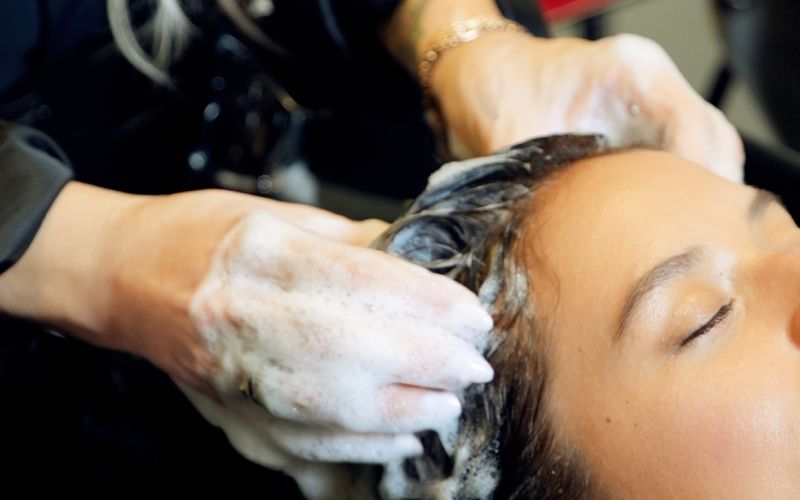
washing your hair: hair fibers are naturally slightly acidic, although their exact pH can vary. More alkaline conditions can cause the hair fiber to swell + the cuticle to lift, which may make dye more susceptible to being lost from the hair. water exposure itself can contribute to dye loss, and repeated washing can accelerate fading as dye molecules leach from the hair. shampoo can further contribute to color loss because its cleansing surfactants interact with the hair + can promote the removal of dye over time. luckily, the protector collection was designed to help prevent fade up to 40 washes*.
*clinically proven
hot water + hard water: hard water contains minerals such as calcium + magnesium that can deposit on the hair shaft. over time, mineral buildup may affect hair’s shine, feel + manageability, and metals in water can interact with color-treated hair.
in addition to using products like the protector treatment, which is clinically proven to prevent color shift from copper exposure, “using a filter for your shower is a great way to help prevent these minerals from making their way to your hair,” says amika brand educator Alicia Drew.
UV exposure: sunlight can degrade hair dye, according to studies. UV radiation can contribute to the photochemical degradation of artificial dyes, leading to color fading + dullness over time. using a hair product formulated with UV-protective ingredients/UV filters can help reduce sun-related color fading. want to go above and beyond? wear a hat “if you plan to spend extended time in the sun,” recommends Alicia.
chlorine: research shows that chlorinated water can contribute to color loss + alter tone, with noticeable changes particularly common in light or blonde hair. to minimize exposure, Alicia recommends thoroughly wetting your hair with clean water before swimming, which can reduce how much chlorinated or salt water the hair absorbs. then, apply the protector treatment to help coat the hair and reduce its exposure to pool chemicals.
hair porosity: this factor has to do with the hair integrity itself. “the more porous or damaged hair is, the harder time it has holding onto color,” says Mallory.
heat styling: according to Alicia, excessive heat styling can damage the hair cuticle, making the hair more vulnerable to moisture loss + other forms of damage. “always apply a heat protectant before exposing your hair to heat styling + you can also use the cool shot on your blow dryer to help to close the cuticle + lock the color in longer.” the protector treatment also has built-in heat protection up to 450 degrees Fahrenheit*.
*clinically proven
why your time in the shower affects your color
the secret color fader nobody talks about? rinse time in the shower. you already know that washing your hair can contribute to color fade, but the longer hair stays under water, the more opportunity there is for hair dye to lose its grip (+ therefore it’s vibrancy).
“less time under water can mean less opportunity for color to bleed out of the hair,” explains Mallory. “water exposure itself contributes to color loss, and shampooing adds surfactants that can help remove color molecules.”
color fade vs. color shift
sometimes, you may think your color is fading when really it’s shifting. here's the difference: “i think of color fade as a loss of intensity + color shift as a change in tone or hue,” says Mallory. “for example, a vibrant copper becoming a softer, less saturated copper would be fade. if that same copper starts looking more orange or more yellow as certain tones are lost or altered, that’s a color shift.”
in short, fade is less color saturation, while shift is the color turning into something different. “they can absolutely happen at the same time,” she adds.
luckily, the protector has ingredients that target both potential problems. The shampoo, conditioner + treatment all contain a color longevity complex, which helps fight fade, as well as black currant extract, which contains antioxidants known to protect hair color.”
feeling better about color faders? with the protector collection in your routine, rest assured your color will be vibrant, strong + shiny.